Introduction
In multi-site event projects, optimizing technical staffing is a major challenge: it is about assigning the right profiles, to the right place, at the right time. For a technical player, this optimization directly impacts costs, quality, and responsiveness.
1. The challenges of event technical staffing
Typical issues:
High variability in personnel volume depending on the sites and days.
Need for multi-skills profiles (sound + lighting + structure) or specialists.
Mobility between sites, management of working hours, staff fatigue.
Emergencies or unforeseen circumstances requiring quick reinforcement.
According to an article on HR events: coordinating ground staff, managing contracts, and mobility are key.
2. Staffing optimization methodology
Step A: Anticipated workload plan
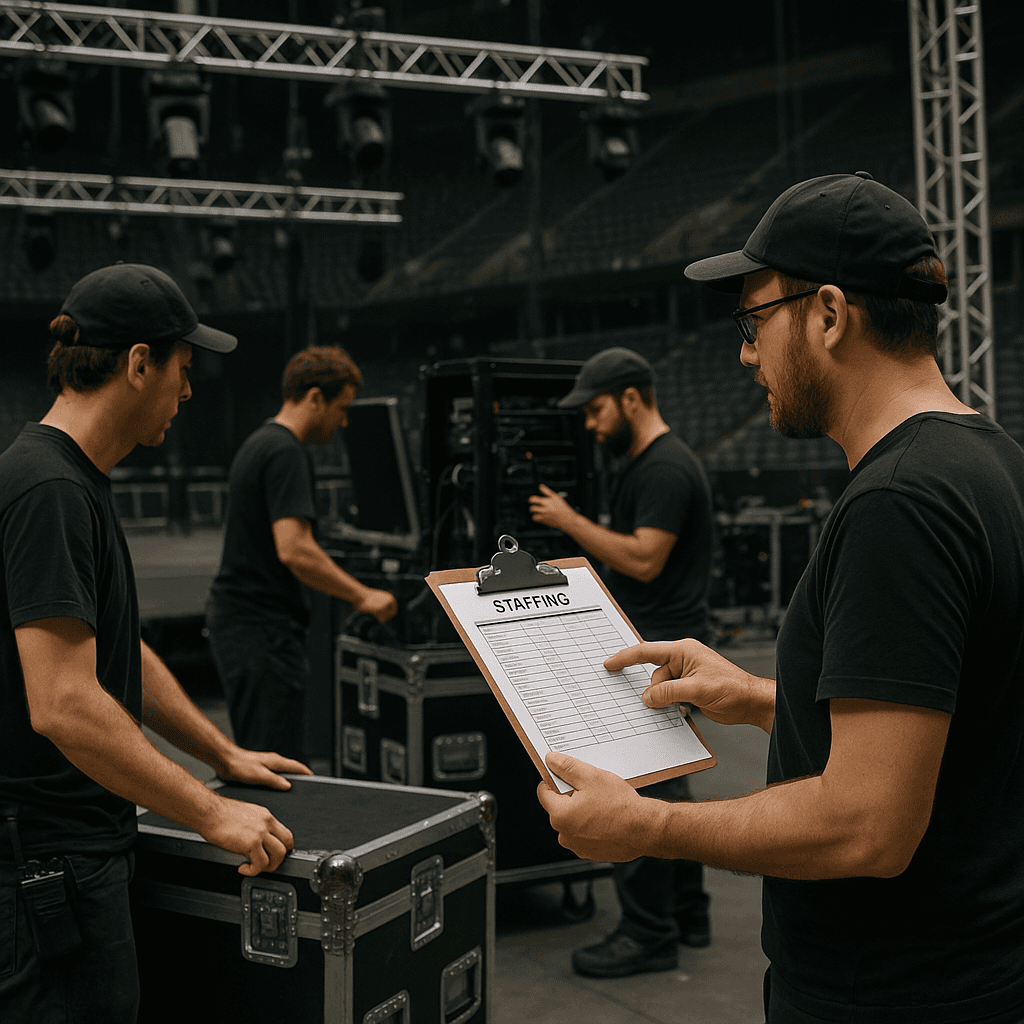
Create a mapping of needs (by site, by day, by skill). Rely on a resource management guide: define objectives, plan, identify resources, allocate, monitor.
Step B: Dynamic allocation
Use flexible systems (see planning software).
Manage the mobility of technicians and anticipate "buffer" profiles.
Step C: Monitoring and adjustment
Establish indicators: coverage rate, margin per technician, over-staffing/under-staffing.
3. Operational and financial impacts for your setup
Reduction of labor costs and lost hours.
Better distribution of skills: each site has the right profile without excess.
Improved responsiveness: in case of unforeseen events, the pool of technicians can be redeployed quickly.
Better quality of technical execution, which builds customer trust.
Strengthening of the employer brand through a smooth organization that respects the rhythm of technicians.
4. Best practices specific to multi-site projects
Centralize the management of technicians, while locating mobile or semi-local profiles.
Create "skill markers": certified or experienced profiles identified for each type of site.
Provide alert thresholds: time thresholds for overstaffing or understaffing.
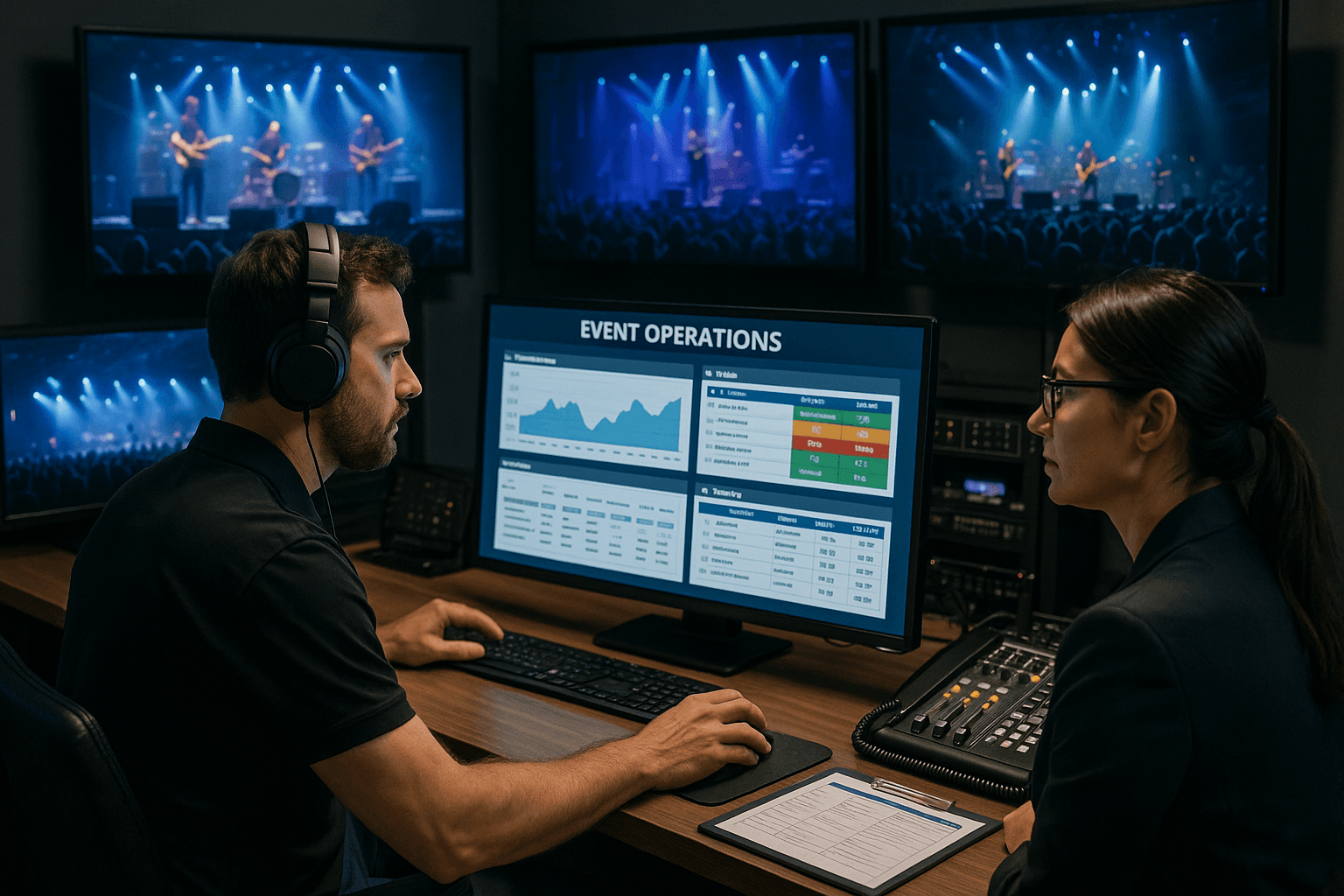
Use visual planning and tracking tools to anticipate conflicts (site A / site B on the same evening).
Implement feedback after each mission to enrich future workload planning.
Conclusion
Optimizing technical staffing in a multi-site context is not just a logistical challenge: it is a strategic lever for operational and financial performance. By structuring resource planning, dynamically allocating, and rigorously monitoring indicators, a technical player can gain in efficiency and quality.