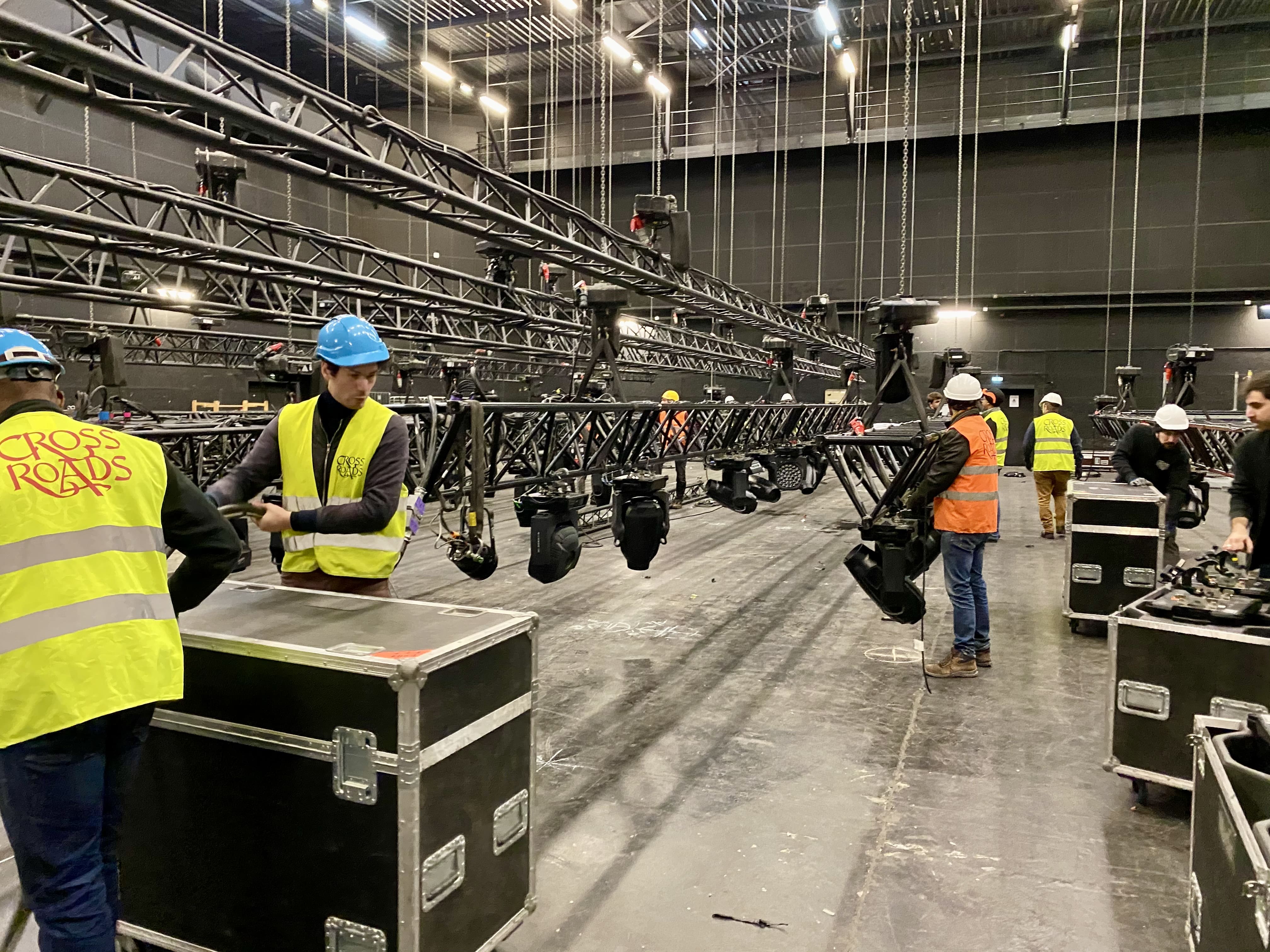
Introduction
In a sector such as event management, where logistical, technical, and human challenges intersect, it is essential to have an accurate mapping of technical skills.
This allows to:
identify available expertise in the region,
identify regional or specialized gaps,
optimize the assignment of profiles to projects.
1. What technical skills are needed for events?
In France, the role of project manager or event technician requires a foundation of technical skills: budget management, use of planning tools, mastery of equipment and installation, managing scenic and technical aspects.
For example, the job description for "event technician" states: "implement equipment", "manage the stages of realization".
2. Why a mapping?
To anticipate needs in skills according to geographic areas: metropolitan areas, rural areas, coastlines, etc.
To size technical teams suitable for each type of event (concerts, trade shows, corporate seminars): each mobilizing different skills (sound, lighting, truss, video)
To optimize resource management and avoid overstaffing or under-equipping.
3. Methodology for mapping skills
Step A: inventory
Gather existing profiles (technicians, engineers, stage managers), qualifications, and experiences. Use defined skill levels (e.g., level 1 to 4 for technician).
Step B: categorization
Classify skills according to:
technical domain (sound, lighting, video, structure)
intervention (installation, operation, dismantling)
on-site operation (maintenance, troubleshooting)
Step C: geolocation
Associate skills with their geographical location, by region or department, and specify mobility or availability.
Step D: identifying gaps
Compare projected needs (types, sizes of events) with available skills. This approach is similar to the analysis of quality tools in industrial production: quality tool + process.
4. Operational impacts for an entity like Crossroads
A skills database allows centralized management to better allocate field resources.
By anticipating “white zones,” we prevent reliance on costly external providers or redundancies.
Improved service quality: the right profiles with the right tools in the right place = reduced technical incidents.
Enhancement of internal expertise: implementation of skill development pathways to meet anticipated demand.
5. Points of vigilance and best practices
Ensure regular updates of the mapping, as the event environment evolves quickly (new hybrid formats, digitalization).
Take into account the mobility of technicians (deployment across multiple sites within the same day or week).
Plan indicators: skills coverage rate / needs, allocation rate outside the original area, response time in support.
Couple the mapping with proactive skills management (training, certifications, technological watch).
Conclusion
The mapping of technical skills is a fundamental building block for any event organization wishing to transition from a reactive mode to a managed and optimized mode. For Crossroads, this means transforming the critical mass of "resources" into a dynamic and visible network, serving logistical and technical performance.