Introduction
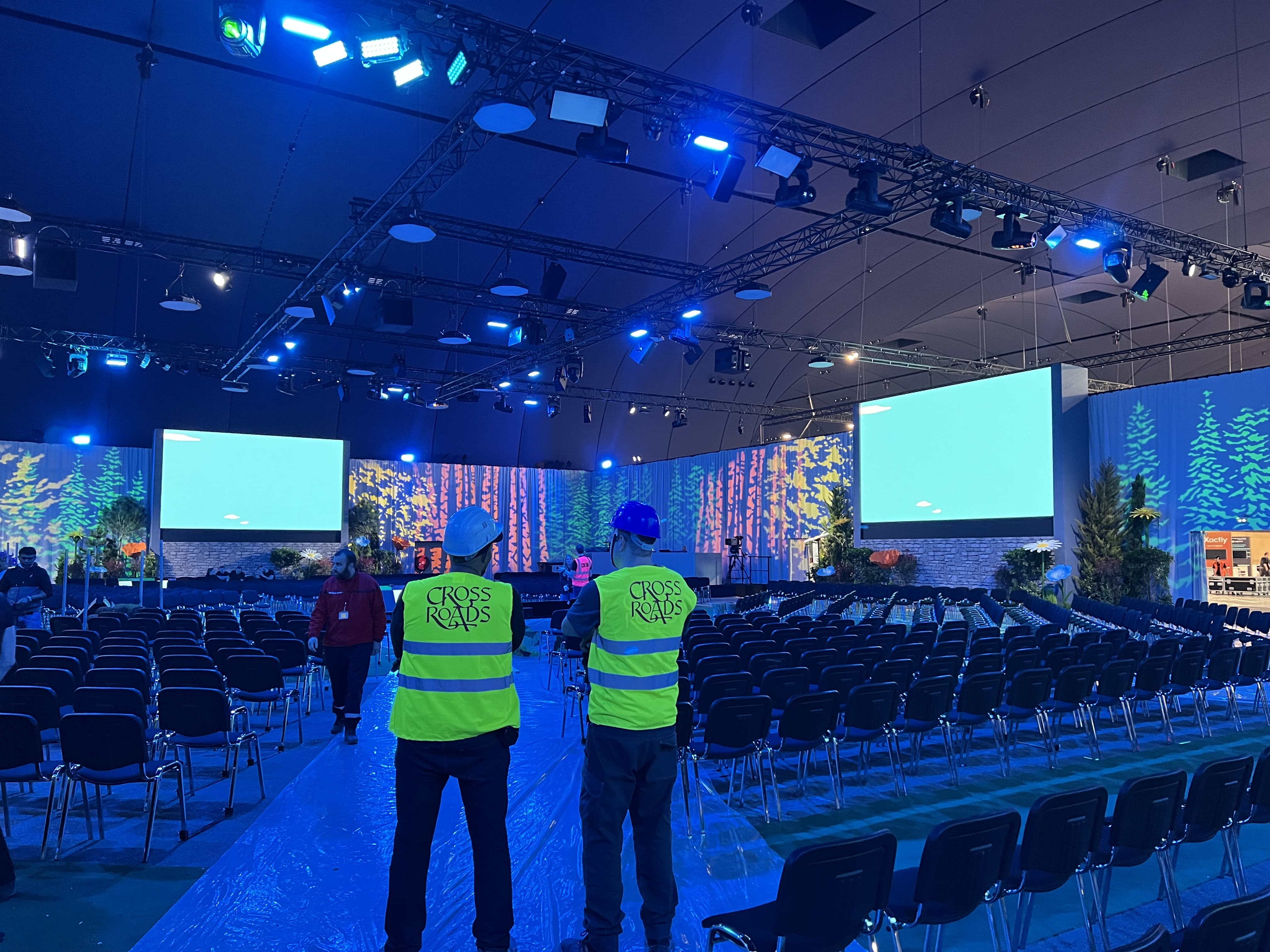
Planning is at the heart of the success of large formats: fashion shows, outdoor concerts, sporting events. Advanced planning methods aim to orchestrate resources, materials, logistics, personnel, and unforeseen events with precision.
1. Analysis of Specific Constraints
Fashion Shows: short timeframe, flow of VIP participants, aesthetic needs, scenography.
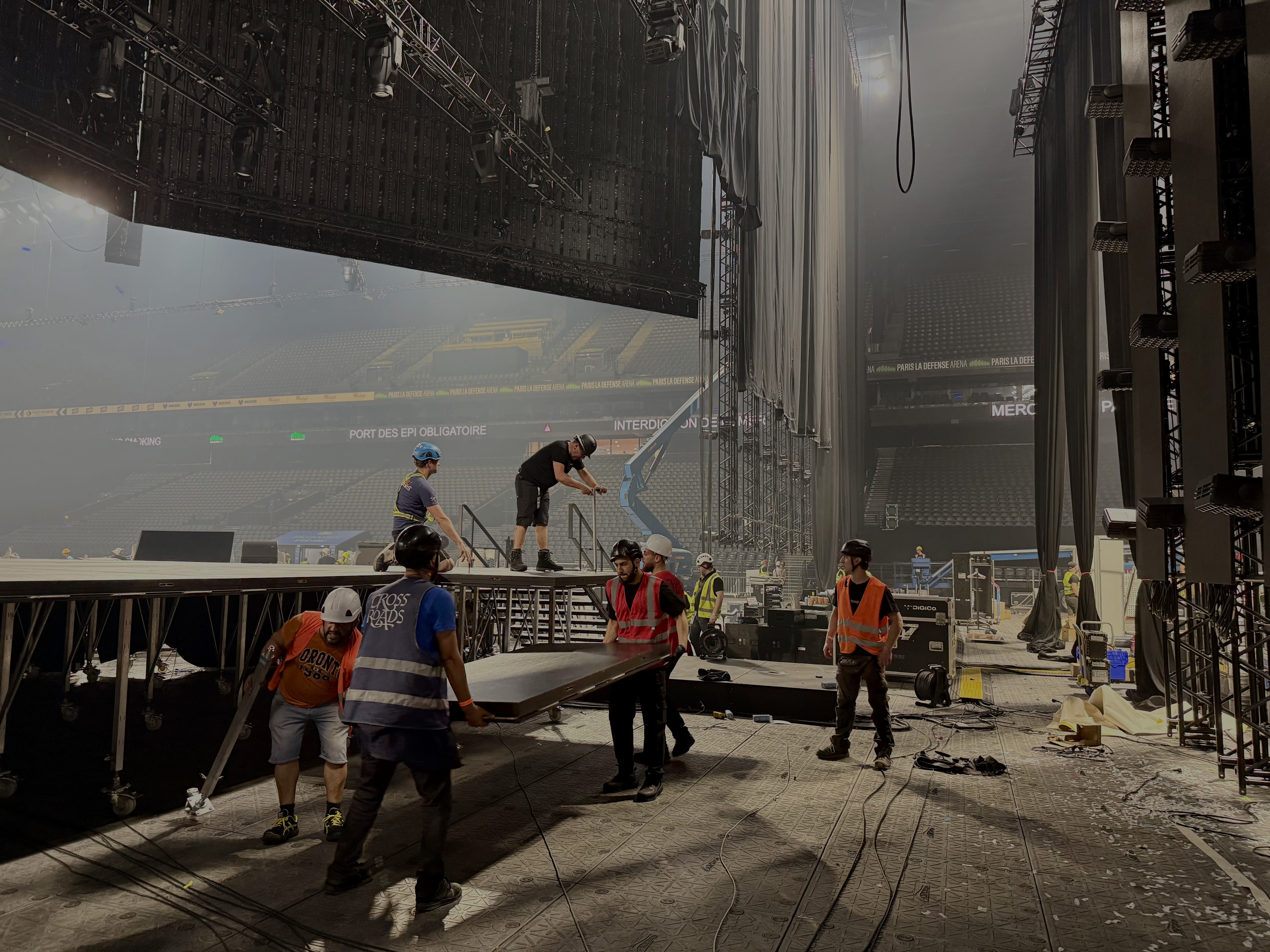
Concerts: high attendance, crowd flow, increased security, sound/light technicality, temporary infrastructure.
Sporting Events: often temporary sites, multi-zones (competition, spectators, lounges), strict schedules, media coverage.
Each format requires different planning but shares procedural principles.
2. Advanced Planning Methodology
Development of a master plan (macro) then detailed (micro): setting milestones, dependencies, sequences.
Resource allocation: technicians, materials, logistics, site, providers.
Simulation and unforeseen scenarios: for example, delayed delivery, unfavorable weather, late entry of the public.
Integration of standardized processes: installation checklists, material verification, quality control.
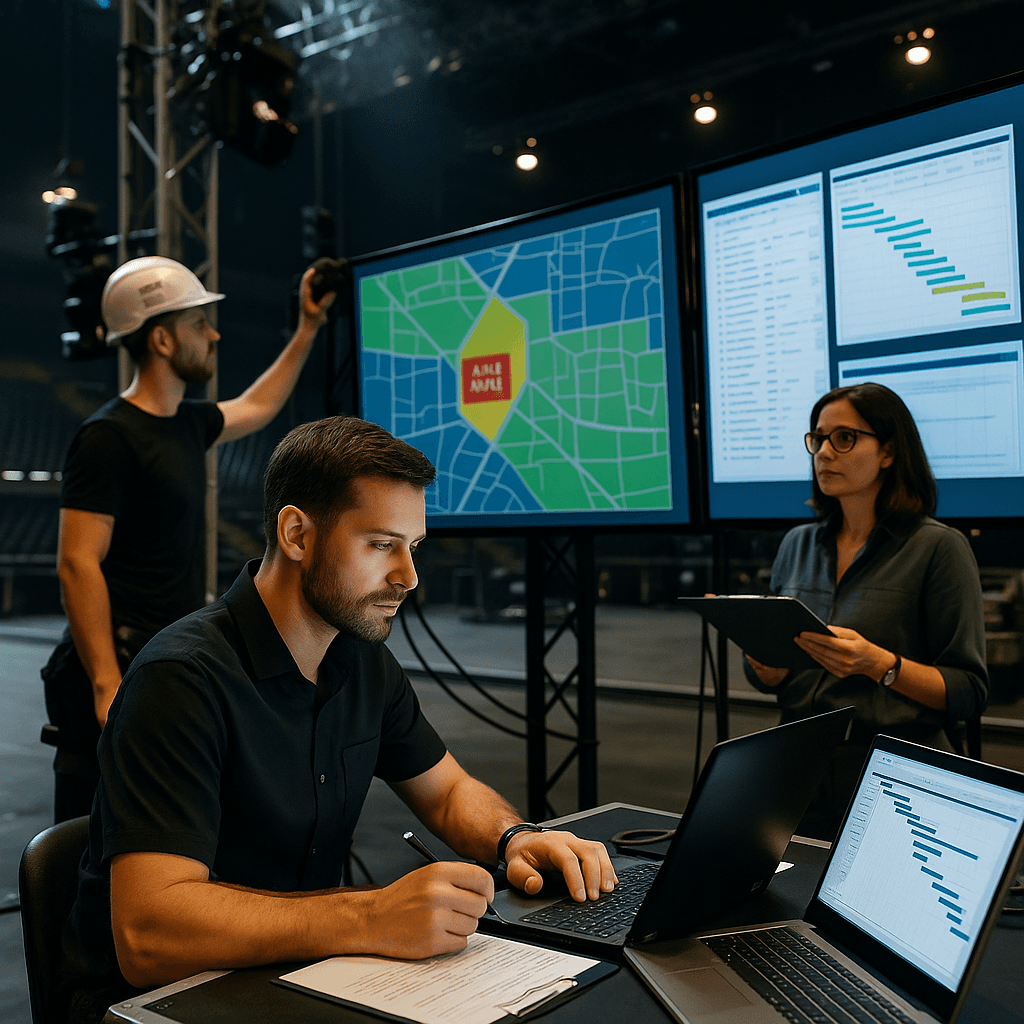
Use of collaborative and visual tools (Gantt charts, project management software) to synchronize teams and sites.
3. Multi-Site and Multi-Team Coordination
In sporting events or concerts, several intervention areas (installation, operation, ticketing, general management). Planning must break down responsibilities and synchronize key moments.
Define a clear organizational chart with project manager (MOE), technical leaders by area, crisis unit.
Establishment of regular coordination meetings (kick-off, progress updates, field feedback).
Integration of margin maneuvers and contingency plans (buffer technicians, backup materials).
4. Monitoring and Control During and After the Event
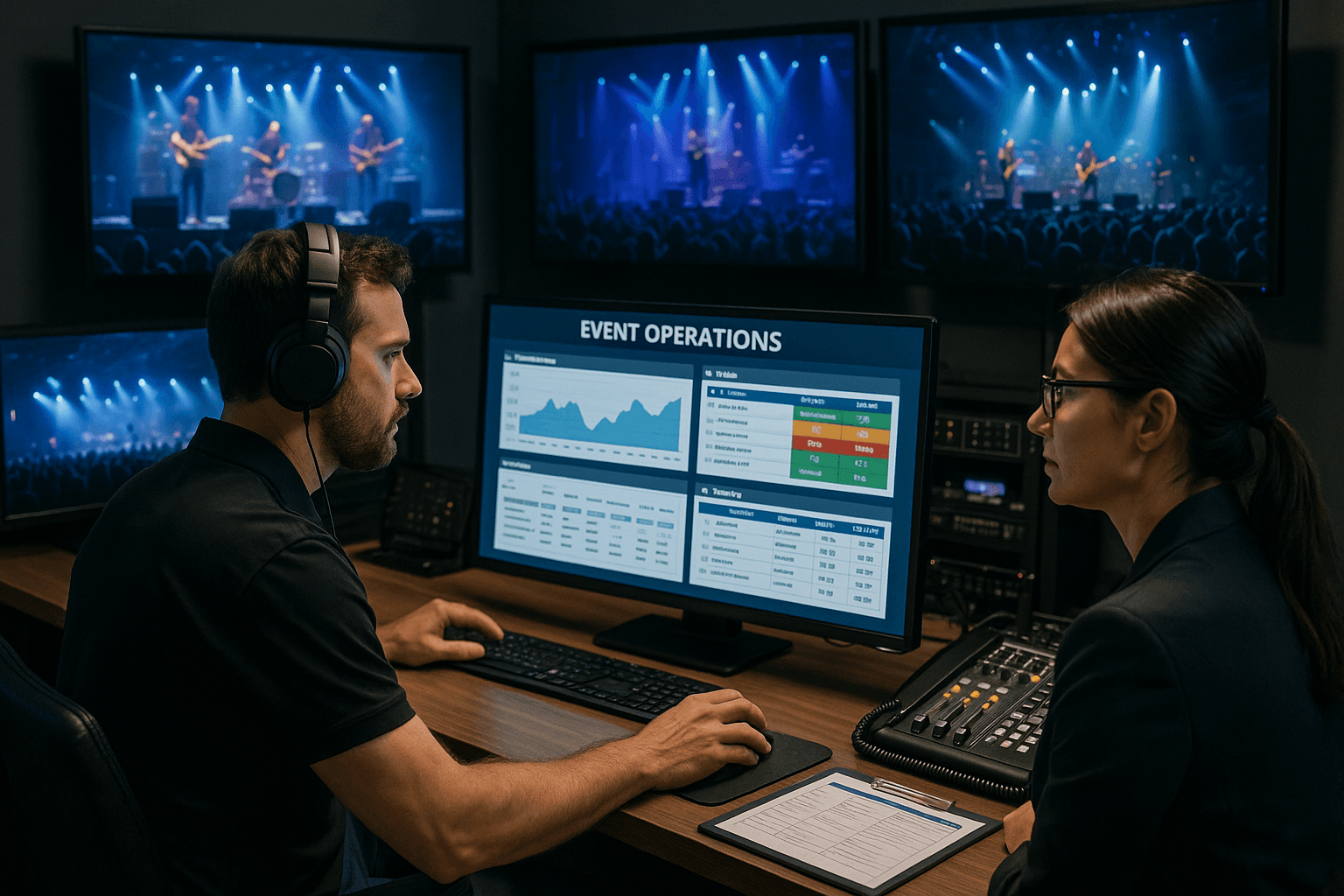
During the event: real-time dashboard (installation, incidents, occupancy rates, public flow). Use KPIs for responsiveness.
After the event: feedback (RETEX): what worked well, what posed problems, data capitalization for the next intervention. The skill “evaluate and formalize a project” is included in the job reference framework.
Documentation of processes and updating of your knowledge base.
5. Impacts and Benefits
Better control of deadlines, reduction of delays and associated costs.
Enhanced quality of execution, thus better reputation and client loyalty.
Scalability: standardized planning allows addressing larger-scale events efficiently.
Flexibility: the ability to react to unforeseen events thanks to anticipated scenarios and mobilizable resources.
Conclusion
For a national technical player in the events industry, adopting advanced planning methods is strategic. It transforms the challenges associated with major formats (fashion shows, concerts, sporting events) into controlled and reproducible operations.