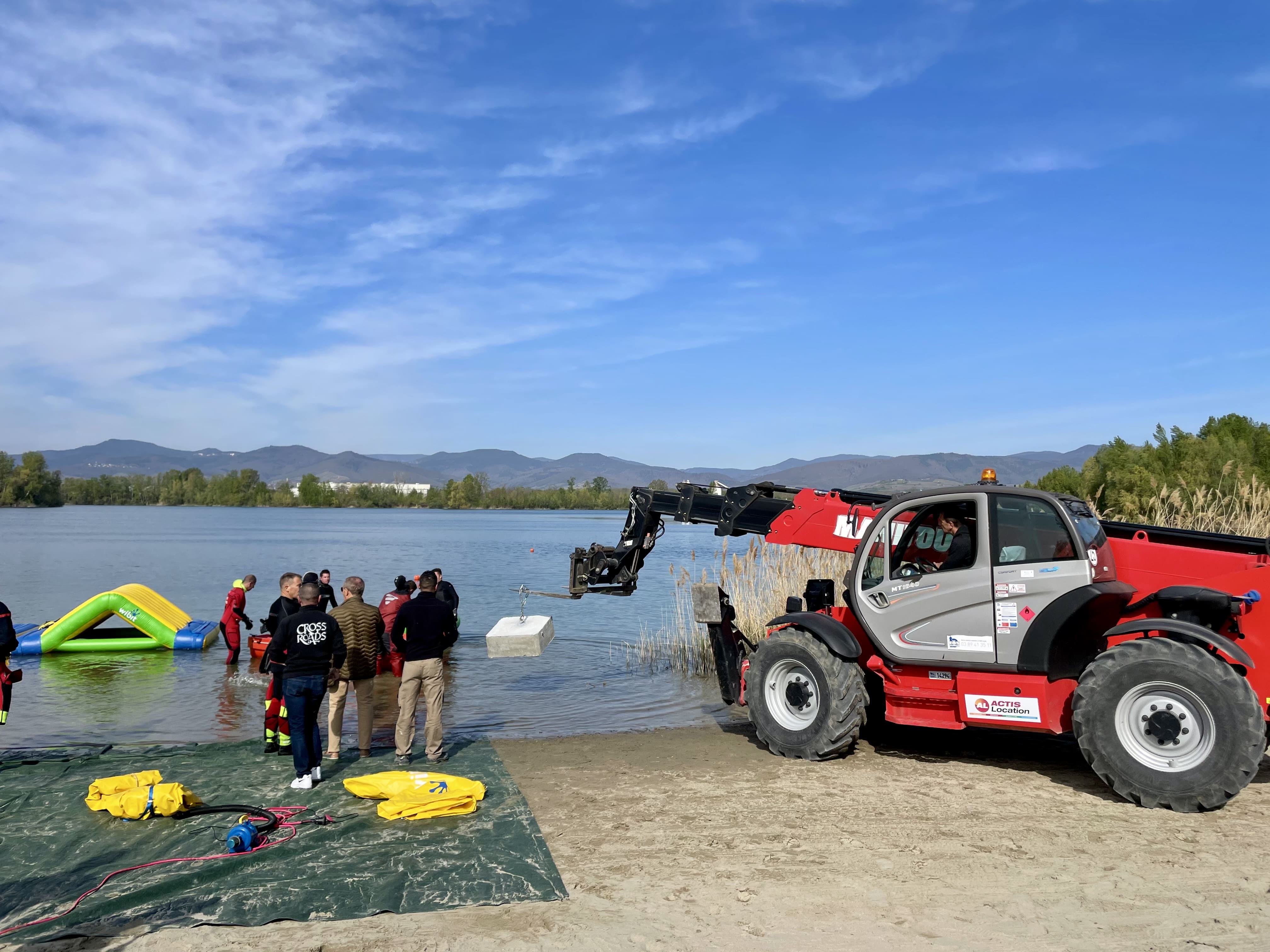
Introduction
Event project management refers to the central role of coordination, execution, and supervision in an event project. It involves operational management and risk management to ensure the successful execution of the event.
1. Definition and Role
The "Event Project Manager" certification covers the creation, management, marketing, and development of an activity, with skills in preparation, budgeting, implementation, and coordination of an event.
In this role, one must:
define objectives and specifications,
coordinate technical and logistical providers,
manage costs, deadlines, and quality.
2. Risk Management in Events
Identifying and anticipating risks is fundamental: technical, human, legal, meteorological, organizational.
Key steps:
identification: listing all possible scenarios,
assessment: probability + impact,
development of preventive and corrective plans,
monitoring & control during post-event.
3. Recommended Methodology for an Actor like Your Organization
a. Preparation Phase: establish a project plan + risk matrix (probability / impact)
b. Execution Phase: implement management: scheduling, coordination, reporting, tracking
c. Closure Phase: evaluation, feedback, capitalization.
Use key performance indicators (KPI) such as deviation rate, number of incidents, project margin.
4. Common Pitfalls and Optimization Levers
Poor governance or too loose management → double-check responsibilities.
Insufficient mobility of field resources: plan reinforcement scenarios.
Outdated risk matrix: systematically update for each project.
Insufficient communication: alignment between PM, client, and providers must be smooth to avoid discrepancies.
5. Benefits of Effective Project Management
Reduction of risks and technical or logistical incidents.
Better control of budget and deadlines.
Higher execution quality, better customer satisfaction.
Ability to industrialize certain event processes to gain efficiency and margin.
Conclusion
Event project management is a strategic pillar for any technical and logistical organization in events. By structuring management, articulating rigorous processes, and anticipating risks, it allows for the transformation of project complexity into operational value.