Introduction
In event management, the production chain covers all stages from the concept to the restoration after the event. Applying methods and quality standards allows for control over deadlines, costs, and ensures a flawless experience for the client and participants.
1. Definition of the Event Production Chain
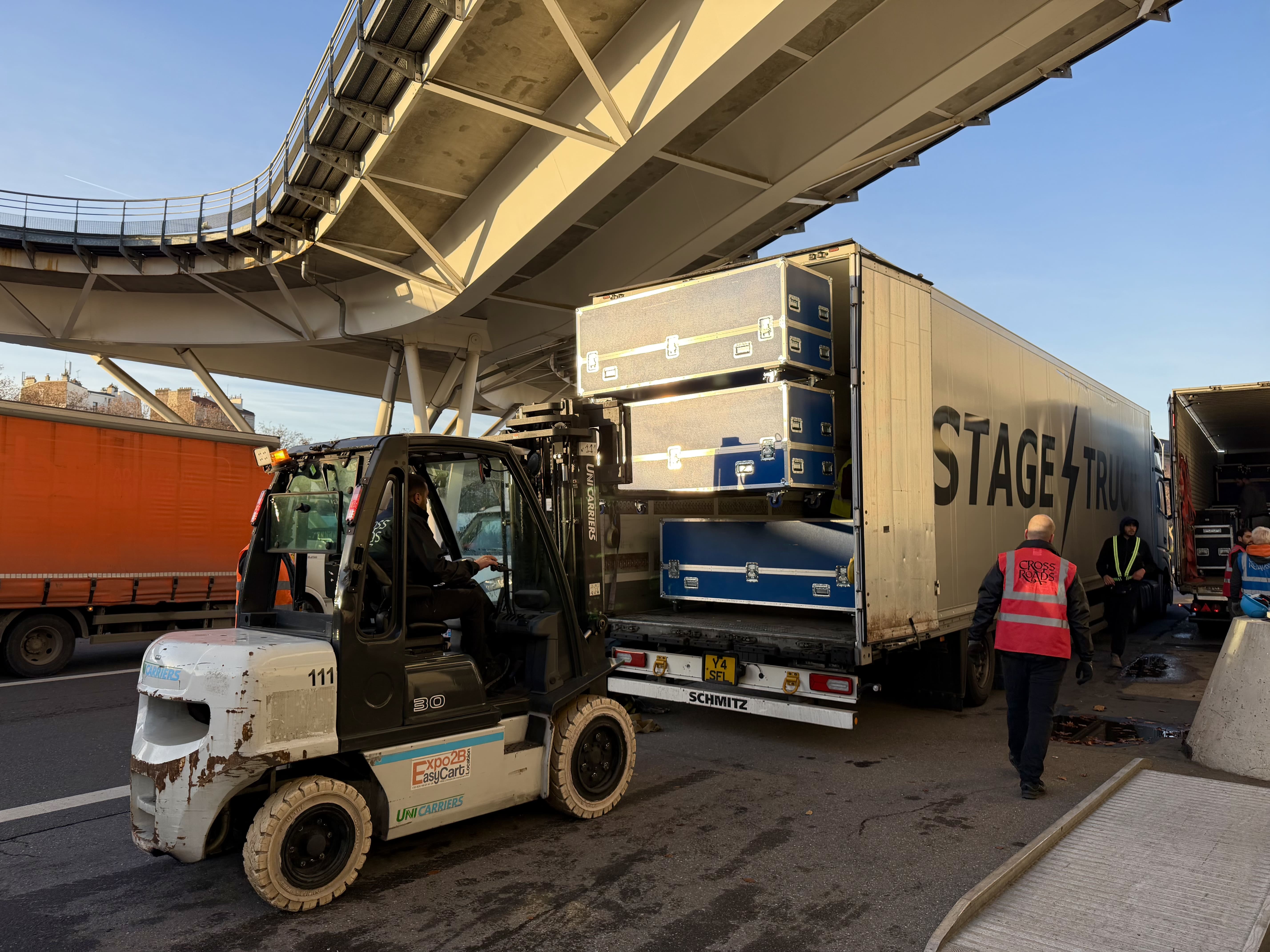
The production chain begins with the technical and organizational specifications, goes through implementation (installation, operation), monitoring, and ends with dismantling and post-event evaluation.
The modeling "event process chain" (EPC) from the business process world is a good parallel to visualize these steps.
2. Application of Quality Standards
The integration of quality tools and methods enables rigorous execution:
Use of “Plan-Do-Check-Act” (PDCA) methods for continuous improvement.
Standardization of installation, operation, and finishing checklists.
Establishment of indicators (installation time, number of incidents, compliance with specifications).
3. Quality Control Applied to Events
Even though industrial production and event management are not identical, the principles of quality control remain relevant:
control of equipment (sound, lighting, structure) before delivery,
verification of installation procedures (compliance with safety standards),
real-time monitoring during the event (sensors, monitoring, check-ins),
post-event review with feedback collection, gap analysis, corrective actions. Quality control integrates inspection at each stage rather than at the end.
4. Recommended Methodology for Crossroads
a. Preparation Phase:
Develop a precise technical specification document (site, duration, equipment, resources).
Plan the processes according to the EPC modeling to clearly organize the flows.
b. Execution Phase:
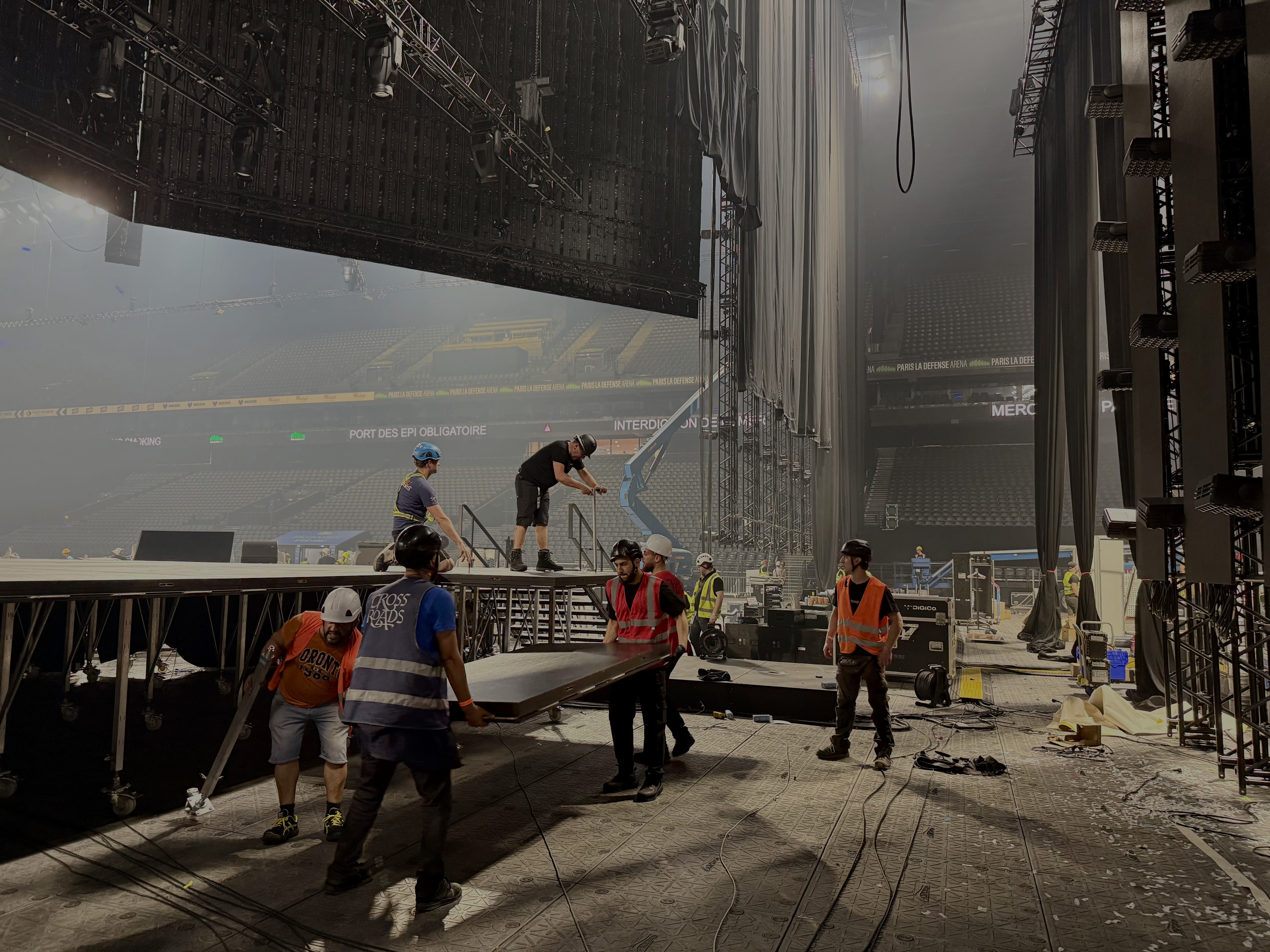
Install the equipment according to a standardized protocol.
[…]
c. Operation Phase:
Implement a real-time monitoring system (e.g., power indicators, temperature, technical flow).
d. Closure Phase:
Consolidate data (time, incidents, costs).
Conduct a post-event review and formalize corrective actions.
5. Challenges and Benefits
Reduction of drift risks (budget, deadlines, quality).
Improvement of customer satisfaction and loyalty.
Establishment of strong technical governance (“we know what we are doing”).
Efficiency gains: standardization = reduction in installation times, optimization of resources.
Conclusion
The event production chain, when approached as a controlled and standardized process, becomes a powerful operational lever. For Crossroads, the adoption of quality methods and clear processes is a major differentiating factor.